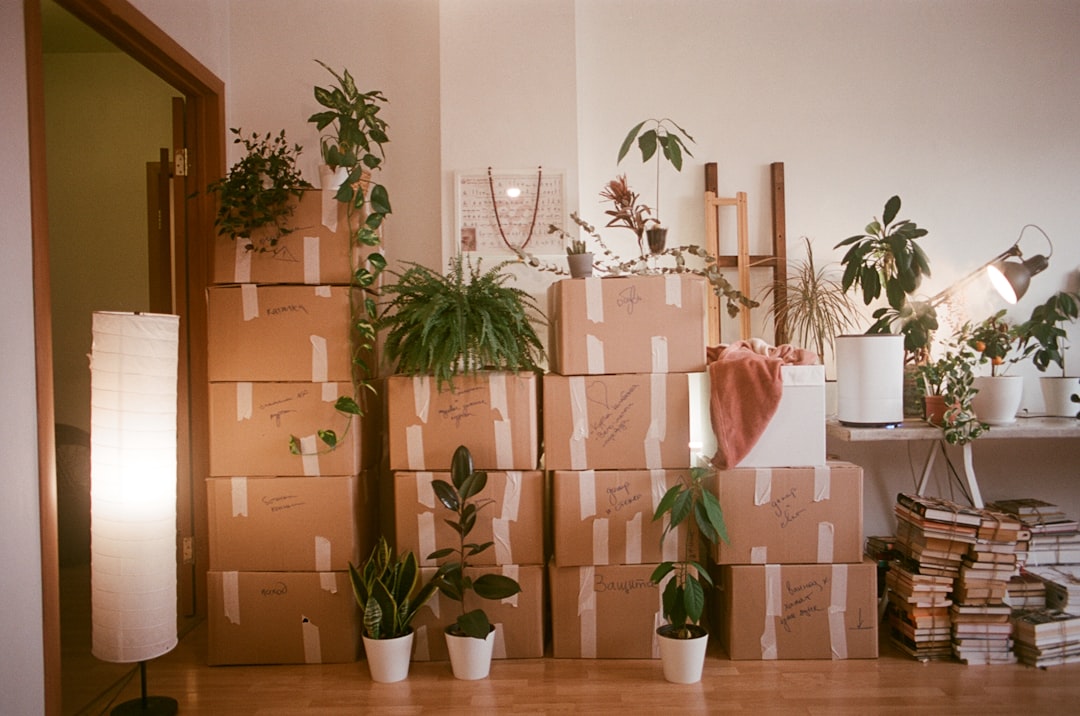
Renting an apartment in Denmark is easier when you compare the full cost, read the Danish rental terms carefully, and document the home before you take responsibility for it. This practical checklist covers what to inspect at a viewing, which lease details to record, and how to create a dated move-in file that can help prevent misunderstandings later.
Overview
A successful apartment search is not only about finding a pleasant room in the right neighbourhood. You also need to understand what is included in the rent, which costs change from month to month, who handles repairs, and what condition the property must be returned in.
Before a viewing, prepare a note on your phone or a simple comparison sheet. Record the same information for every property so that a low advertised rent does not hide higher heating, utility, transport, or move-in costs. Ask for important answers in writing, especially when the landlord or letting agent gives information verbally.
Danish rental documents commonly use terms such as lejekontrakt (rental contract), udlejer (landlord), lejer (tenant), depositum (deposit), forudbetalt leje (prepaid rent), forbrug (consumption-based utilities), vedligeholdelse (maintenance), and indflytningsrapport (move-in condition report). The exact meaning and effect of a clause depend on the contract and the applicable tenancy rules, so do not rely on a translation alone.
If you are new to Denmark, the housing tasks fit into a wider arrival plan. The Moving to Denmark Checklist can help you organise housing alongside CPR, banking, healthcare, and first-week administration.
What to track
1. Compare the complete monthly cost
Write down the following for every apartment:
| Item | What to check | Why it matters |
|---|---|---|
| Monthly rent | Base rent, payment date, and whether the amount may be adjusted under the contract | Shows the fixed housing cost and the timing of payments |
| Utilities | Whether water, heating, electricity, internet, or other services are included or billed separately | Two homes with the same rent may have different total monthly costs |
| Deposit | Amount requested, payment deadline, and the contract’s explanation of deductions | It is a substantial move-in expense and may be affected by the final condition assessment |
| Prepaid rent | Whether rent is paid in advance and how the contract describes its use at the end of the tenancy | It is different from the deposit and should be tracked separately |
| Other charges | Parking, storage, shared laundry, furnishings, administration, or key-related charges | Small recurring or one-off charges can change the real cost of the home |
Do not guess future utility costs from a single conversation. Ask which services are metered, how accounts are settled, and whether the contract refers to an annual statement or adjustment. Keep copies of bills and settlement statements once you move in.
2. Inspect the apartment room by room
At the viewing, look beyond furniture and decoration. Use a consistent route through the home:
- Entrance and hall: Check the front door, locks, intercom, mailbox, keys, floors, walls, and signs of damp or unusual odours.
- Kitchen: Test cupboard doors, taps, drains, extractor fan, oven, hob, refrigerator, freezer, dishwasher, and visible seals. Note which appliances belong to the apartment.
- Bathroom: Check ventilation, water pressure, hot water, toilet flushing, shower seals, grout, floor drainage, and any marks around pipes or ceilings.
- Living areas and bedrooms: Inspect windows, handles, radiators, floors, walls, ceilings, sockets, curtains or blinds, and evidence of leaks or mould.
- Storage and outdoor areas: Confirm access to a cellar, loft, bicycle space, balcony, garden, or shared laundry. Ask whether these areas are private, shared, or subject to separate rules.
Ask whether the apartment is furnished and request an inventory. List every included item, its condition, and any visible damage. For an unfurnished property, clarify whether lamps, shelves, white goods, curtains, or other fittings remain.
3. Read the lease clauses, not only the headline terms
Before signing, identify the sections covering:
- the exact address, rooms, furnished items, and any shared facilities;
- the start date, fixed or open-ended term, and any conditions attached to the tenancy;
- rent, payment method, payment date, and permitted changes;
- deposit, prepaid rent, and the process for settling accounts;
- notice periods for both parties, including how notice must be sent;
- maintenance responsibilities inside the home and in shared areas;
- rules about painting, drilling, pets, smoking, subletting, guests, and alterations;
- heating, water, electricity, internet, and how consumption is calculated;
- move-in and move-out reports, deadlines for reporting defects, and return standards.
If a clause is unclear, ask the landlord to explain it in writing before you sign. If you are unsure about a significant obligation or a disputed charge, seek independent tenant advice rather than assuming that an informal promise will override the written contract.
4. Create a move-in condition record
On move-in day, photograph every room and item that has existing wear. Take wide photographs to show location and close-ups to show detail. Include windows, floors, walls, ceilings, appliances, bathroom fittings, meters, keys, and any furniture supplied with the home.
Make the record useful by adding the date, room, and a short description: “Bedroom, left wall beside window: two small nail holes and a grey scuff mark.” Avoid vague notes such as “some damage.” If possible, record meter readings and the number of keys received.
Send the written list and photographs through a traceable channel before the deadline stated in the contract or move-in instructions. Keep the original files, the message, and any reply in one folder. If the landlord disagrees with a description, preserve both views and ask for the disagreement to be recorded.
Cadence and checkpoints
Use the checklist at several points rather than only once:
- Before each viewing: Recheck the questions you want answered and bring a measuring tape if furniture placement matters.
- At the viewing: Inspect the same rooms in the same order, record costs, and note anything that requires a written answer.
- Before signing: Compare the contract with the advertisement and messages. Confirm that promised appliances, storage, repairs, and furnishings appear in the documents or inventory.
- On move-in day: Photograph the condition, record meters and keys, and submit the defect list promptly.
- Monthly: Save rent confirmations, utility bills, repair requests, and relevant messages. A simple timeline is useful if a question develops later.
- Quarterly or after a major change: Review whether costs, occupants, maintenance arrangements, or house rules have changed. Do not accept a new charge or amendment without reading the related written notice.
Keep a small “rental file” containing the signed contract, inventory, condition report, photographs, payment records, utility information, notices, and repair correspondence. Store a backup securely and use clear file names such as 2026-11-05-kitchen-sink.jpg.
How to interpret changes
Not every difference between apartments is a warning sign, but every difference deserves a clear explanation. A property with a higher rent may include services or furnishings that another does not. Conversely, an apparently affordable apartment may require separate heating, electricity, internet, parking, or transport costs.
Separate three categories in your comparison sheet:
- Fixed costs: amounts stated as regular rent or recurring charges.
- Variable costs: consumption-based services and bills that can change with use or settlement.
- One-off costs: deposit, prepaid rent, moving expenses, keys, furniture, or repairs agreed before move-in.
Also distinguish normal wear from a defect that was present at the start. Your dated record is not a substitute for understanding the contract, but it gives you a factual reference. When something breaks, report it promptly in writing, describe the problem precisely, and keep the response. For urgent situations involving water, electricity, heating, security, or health, follow the landlord’s emergency instructions and seek appropriate help.
Local practical arrangements can matter too. Ask how waste sorting, shared laundry, bicycles, parking, and building notices work. These rules may be managed by a housing association, building administrator, or municipality. For waste arrangements after moving, see the Danish Recycling and Waste Sorting Guide.
When to revisit
Return to this checklist whenever you view a new apartment, receive a proposed contract change, renew a tenancy, add or remove a household member, or prepare to move out. It is especially useful before a notice deadline, after a major repair, or when the landlord sends a new utility settlement.
At least once a quarter, check that your rental file is complete: rent payments are saved, outstanding repairs have a written status, utility documents are filed, and your contact details with the landlord are current. Before moving out, read the contract’s notice and handover instructions, compare the home with the original condition record, and photograph each room after it has been cleared.
Finally, refresh your understanding of deposit, prepaid rent, notice, and maintenance rules when legislation or official guidance changes. Because tenancy rules can depend on the type of property and the contract, confirm current information with a reliable Danish tenant advice service or relevant official source if money or a dispute is involved. A careful viewing, a complete written record, and regular checkpoints will make renting in Denmark more predictable from the first key handover to the final inspection.